
Living in Salem’s Historic District means being surrounded by centuries of American history – but it also means dealing with plumbing systems that may be just as old. If you own one of these beautiful colonial-era homes, you’ve probably wondered about those original pipes running through your walls. When Salem’s historic homes were built in the 1600s and 1700s, plumbers used whatever materials were available: lead pipes, cast iron, and eventually galvanized steel. While these materials served their purpose for decades, they’re now reaching the end of their lifespan and may need replacement.
Understanding Your Historic Home’s Original Plumbing
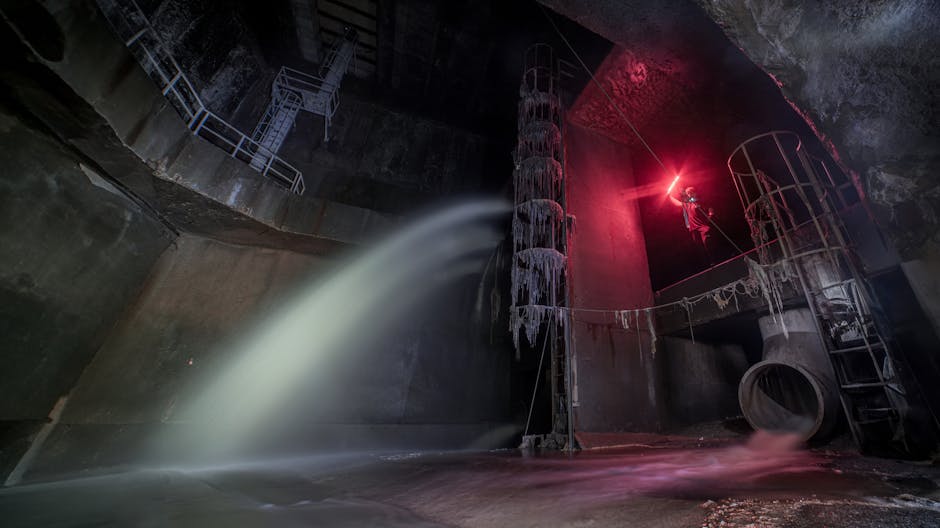
Salem’s colonial homes present unique challenges that modern subdivisions simply don’t face. Most houses built before 1900 in the Historic District originally relied on lead service lines, cast iron drain pipes, and galvanized steel supply lines. These materials were the gold standard of their time, but they come with serious drawbacks today.
Lead pipes, while durable, pose obvious health risks. Cast iron, though incredibly strong, corrodes from the inside out over 50-75 years. Galvanized steel develops rust and mineral buildup that restricts water flow. If your Salem home still has original plumbing from the 1800s or early 1900s, you’re likely experiencing:
- Discolored water that runs brown when you first turn on taps
- Low water pressure throughout multiple fixtures in your home
- Frequent clogs in drains due to corroded pipe interiors
- Metallic taste in drinking water from deteriorating galvanized pipes
- Higher than normal water bills from small leaks in aging systems
The good news? Modern pipe replacement can solve these issues while preserving your home’s historic character.
Navigating Salem Historical Commission Requirements
Before any major plumbing work begins in Salem’s Historic District, you’ll need to understand local preservation requirements. The Salem Historical Commission oversees changes to historic properties, and while most pipe replacement work happens inside walls or underground, there are still guidelines to follow.
Most internal pipe replacement projects don’t require Historical Commission approval since the work isn’t visible from the street. However, if your project involves:
- Exterior work like replacing the main service line from street to house
- Adding new exterior fixtures such as hose bibs or utility connections
- Modifying the home’s footprint to access pipes in crawl spaces or basements
- Installing new utility meters or backflow prevention devices
You’ll want to check with the Commission first. The good news is that Salem’s Historical Commission generally supports infrastructure improvements that preserve these valuable homes for future generations.
Choosing the Right Replacement Materials for Historic Homes
Modern pipe materials offer significant advantages over what your Salem ancestors had available. Today’s options balance durability, safety, and compatibility with historic home structures.
Copper piping remains the gold standard for supply lines in historic homes. It’s durable, naturally antimicrobial, and has been used successfully in New England for over 80 years. Copper handles our harsh Massachusetts winters well and won’t leach harmful chemicals into your drinking water.
PEX (cross-linked polyethylene) offers flexibility that works beautifully in old homes with irregular framing. PEX can snake through existing wall cavities without major demolition, making it ideal for historic preservation. It’s also freeze-resistant – a major advantage during Salem’s brutal winter months.
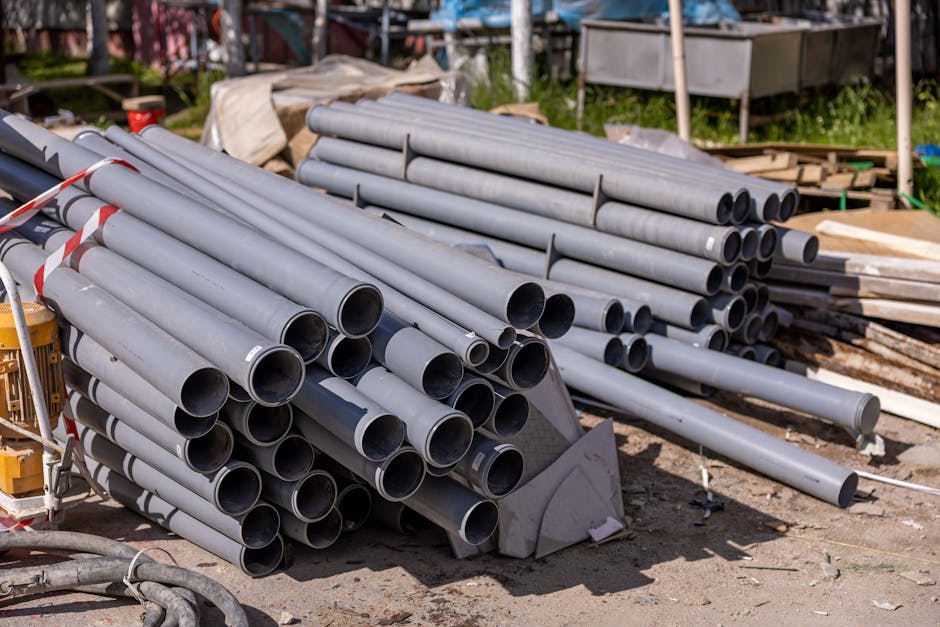
For drain lines, ABS or PVC plastic pipes replace old cast iron systems effectively. These materials resist corrosion and tree root intrusion while providing smooth interior surfaces that prevent clogs.
Your North Shore plumber can help determine which materials work best for your specific situation, taking into account your home’s age, layout, and local building codes.
DIY Assessment Tips for Salem Homeowners
While major pipe replacement requires professional installation, you can assess your system’s condition and prepare for conversations with contractors. Here are some safe ways to evaluate your historic home’s plumbing:
Check exposed pipes in your basement or crawl space for obvious signs of corrosion, mineral buildup, or small leaks. Take photos to share with your plumber – this helps them prepare for the job.
Test water pressure at multiple fixtures throughout your home. Turn on faucets on different floors simultaneously. If pressure drops significantly, your supply lines may be restricted by corrosion.
Monitor your water quality by filling a clear glass with tap water. Discoloration, particles, or strong metallic tastes indicate pipe deterioration that affects your family’s health and safety.
However, never attempt to remove or replace pipes yourself in a historic home. These structures often contain asbestos insulation, lead paint, or structural elements that require professional handling.
Planning Your Pipe Replacement Project
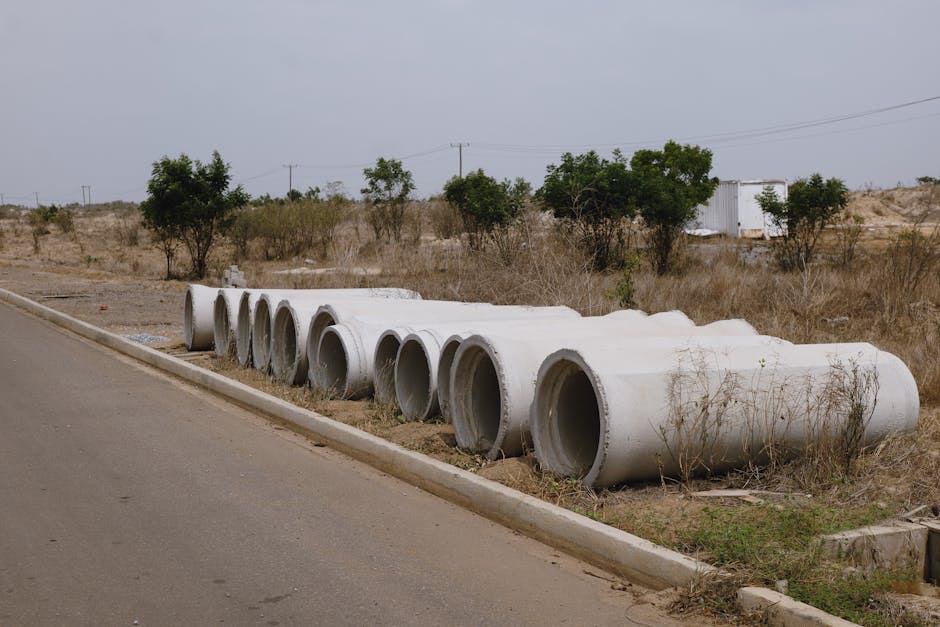
Replacing pipes in Salem’s historic homes requires careful planning to minimize disruption to your daily life and your home’s historic fabric. Most projects follow a logical sequence that preserves as much original structure as possible.
Start with a comprehensive inspection by an experienced North Shore plumber who understands historic homes. They’ll use camera equipment to examine pipe interiors and locate problems without unnecessary demolition.
Plan replacement in phases if budget is a concern. Many Salem homeowners replace supply lines first (since these affect water quality and pressure), then tackle drain lines during a later project.
Consider timing carefully during our harsh New England winters. Major plumbing work is easier when your heating system isn’t working overtime, and spring scheduling often offers better pricing.
Coordinate with other home improvement projects when possible. If you’re planning kitchen renovation, bathroom updates, or basement improvements, pipe replacement becomes much more cost-effective when combined with other work.
Professional plumbers experienced with historic properties can often replace pipes with minimal wall damage, using existing access points and careful planning to preserve your home’s character.
When Professional Help is Essential
While Salem homeowners are famously self-reliant, pipe replacement in historic homes requires professional expertise. Licensed plumbers understand local codes, proper materials, and safe work practices around potentially hazardous materials common in older homes.
Emergency plumbing situations like burst pipes require immediate professional attention, especially during winter months when frozen pipes can cause extensive water damage. Similarly, any work involving your main service line, sewer connections, or gas lines must be handled by licensed professionals.
Professional plumbers also coordinate necessary permits, inspections, and utility shutoffs that DIY approaches can’t handle legally or safely.
Your historic Salem home deserves plumbing systems that match its quality and longevity. Modern pipe replacement can provide decades of reliable service while preserving the character that makes these homes special.
Need professional help? Call The Salem Plumber at (978) 915-8787
Need Professional Help?
If you're experiencing plumbing issues in Salem, our licensed plumbers are ready to help.
Call Now: (978) 915-878724/7 Emergency Service Available