
Living in Salem and the greater North Shore means dealing with some of the hardest water in Massachusetts. The mineral-rich groundwater that flows beneath our historic coastal communities brings unique challenges to homeowners, from stubborn white buildup on fixtures to reduced efficiency in water heaters. If you’ve noticed soap that won’t lather properly or spotted glasses coming out of the dishwasher, you’re likely experiencing the effects of hard water that’s particularly common in our region’s geology.
The North Shore’s hard water stems from underground water sources that naturally collect minerals like calcium and magnesium as they flow through limestone and other mineral deposits. While this water is perfectly safe to drink, it can wreak havoc on your plumbing system and daily household routines.
Understanding Hard Water’s Impact on Salem Homes
Hard water affects every aspect of your home’s plumbing system, but the impact can be especially pronounced in Salem’s historic homes. Many properties built in the colonial era still contain original galvanized steel or cast iron pipes, which are particularly susceptible to mineral buildup from hard water.
The calcium and magnesium in our local water supply create scale deposits that accumulate over time. These deposits can:
- Reduce water pressure significantly as pipes become narrowed by mineral buildup
- Decrease water heater efficiency by coating heating elements with insulating mineral layers
- Cause premature appliance failure in dishwashers, washing machines, and coffee makers
- Create stubborn stains on sinks, tubs, and shower doors that resist regular cleaning
- Make soap and shampoo less effective due to chemical interactions with minerals
For homeowners in historic Salem properties, hard water can accelerate the deterioration of aging plumbing systems. The combination of mineral deposits and the natural corrosion of older pipe materials can lead to costly emergency plumbing situations if not addressed proactively.
Testing Your Water Hardness
Before investing in a solution, it’s important to understand exactly how hard your water is. Water hardness is measured in grains per gallon (gpg) or parts per million (ppm), with Salem area homes typically ranging from moderately hard (7-10 gpg) to very hard (over 10 gpg).
- Purchase inexpensive test strips from local hardware stores for quick at-home testing
- Schedule professional water testing through your local plumber for comprehensive mineral analysis
- Contact Salem’s Water Department for annual water quality reports that include hardness levels
- Watch for visual indicators like white buildup on faucets and difficulty creating soap suds
Professional testing provides the most accurate results and can identify specific minerals causing problems in your home. This information helps determine the most effective treatment approach for your particular situation.
Water Softener Solutions for North Shore Homes
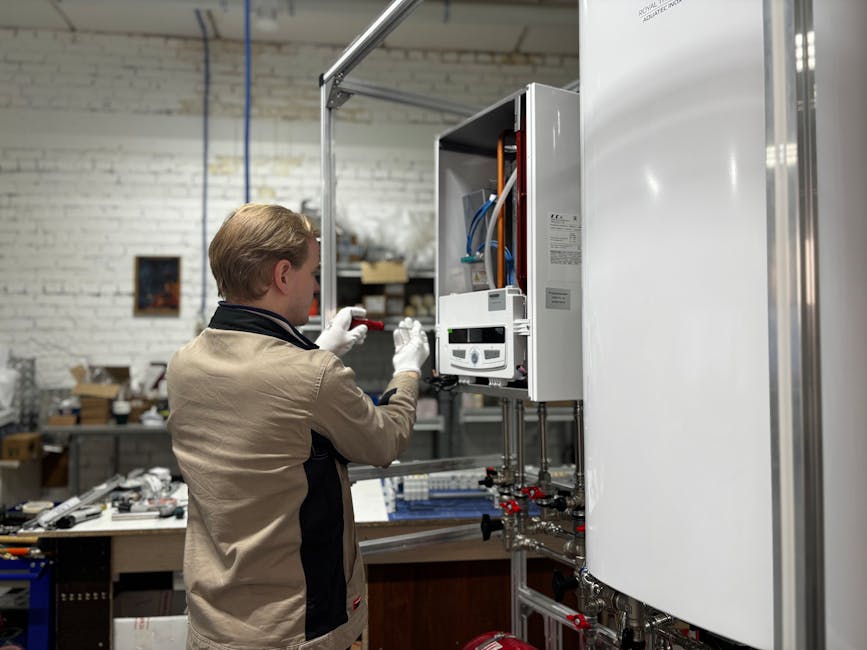
Water softeners remain the most effective solution for hard water problems, using ion exchange technology to replace calcium and magnesium with sodium or potassium. For Salem homeowners, choosing the right system requires consideration of both water hardness levels and household water usage.
Salt-based water softeners work well for most homes and provide comprehensive mineral removal. These systems require regular maintenance and salt refills but offer the most thorough solution for severe hardness problems.
- Calculate your household’s daily water usage to determine proper system sizing
- Consider installation location carefully as systems need drainage and electrical connections
- Plan for regular maintenance including salt refills every 6-8 weeks
- Factor in regeneration cycles that temporarily make water unavailable
Salt-free water conditioners offer an alternative for homeowners who prefer not to add sodium to their water supply. While these systems don’t technically “soften” water, they alter mineral structure to reduce scale formation.
The coastal location of North Shore homes adds another consideration: salt air corrosion can affect outdoor water softener components, making proper installation and weatherproofing essential for system longevity.
DIY Maintenance and Prevention Tips
While water softener installation requires professional expertise, homeowners can take several steps to minimize hard water damage and maintain their systems effectively.
Regular cleaning and maintenance can significantly extend the life of your plumbing fixtures and appliances:
- Clean faucet aerators monthly by soaking in white vinegar to dissolve mineral deposits
- Flush your water heater annually to remove sediment buildup that reduces efficiency
- Use vinegar solutions weekly on shower doors and fixtures to prevent permanent staining
- Check water softener salt levels monthly and refill before the tank runs completely empty
For minor mineral buildup on fixtures, create an effective cleaning solution by mixing equal parts white vinegar and water. This natural approach safely removes deposits without damaging finishes or requiring harsh chemicals.
However, know your limits when it comes to DIY solutions. Water softener installation, water heater repair, and major pipe cleaning should always be handled by licensed professionals to avoid costly mistakes or safety hazards.
When to Call Professional Plumbing Services
Certain hard water problems require professional intervention, especially in Salem’s older homes where plumbing systems may have unique configurations or historical preservation requirements. The Salem Historical Commission has specific guidelines for work on historic properties, making professional expertise essential for compliance.
Contact a professional plumber when you notice:
- Significant water pressure drops throughout your home indicating serious pipe blockages
- Frequent appliance repairs suggesting system-wide water quality issues
- Discolored water which may indicate pipe corrosion accelerated by mineral deposits
- Unusual tastes or odors that could signal plumbing system problems beyond simple hardness
Professional plumbers can provide comprehensive solutions including drain cleaning services to remove mineral buildup, water heater repair to restore efficiency, and complete system evaluations to prevent future problems.
For historic Salem homes, professional installation ensures that modern water treatment systems integrate properly with existing plumbing while meeting any preservation requirements. This expertise proves especially valuable when working around original pipe materials or in homes with unique architectural features.
Protecting Your Investment Long-Term
Addressing hard water problems protects both your daily comfort and your home’s long-term value. The upfront investment in proper water treatment pays dividends through extended appliance life, reduced maintenance costs, and improved daily living experience.
Consider the total cost of hard water over time: decreased appliance efficiency, frequent repairs, increased cleaning product usage, and potential plumbing system damage. Professional water treatment solutions typically pay for themselves within a few years through these savings.
Regular maintenance and professional monitoring ensure your water treatment system continues operating effectively. Annual system checks can identify potential problems before they become costly repairs, while proper maintenance maximizes system lifespan.
Hard water doesn’t have to be a permanent frustration for North Shore homeowners. With the right combination of professional solutions and regular maintenance, you can enjoy the benefits of soft water while protecting your home’s plumbing system for years to come.
Need professional help with your hard water problems? Our experienced team understands the unique challenges facing Salem area homes and can recommend the perfect solution for your situation. Call The Salem Plumber at (978) 915-8787
Need Professional Help?
If you're experiencing plumbing issues in Salem, our licensed plumbers are ready to help.
Call Now: (978) 915-878724/7 Emergency Service Available